 +62 859-2375-1379
 reservations@lombok-indonesia.org



 English
 العربية
 简体中文
 繁體中文
 Dansk
 Nederlands
 Français
 Deutsch
 हिन्दी
 Indonesia
 日本語
 한국어
 Melayu
 Polski
 Slovenščina
 Español
 ไทย
 Türkçe
 Українська
 Русский
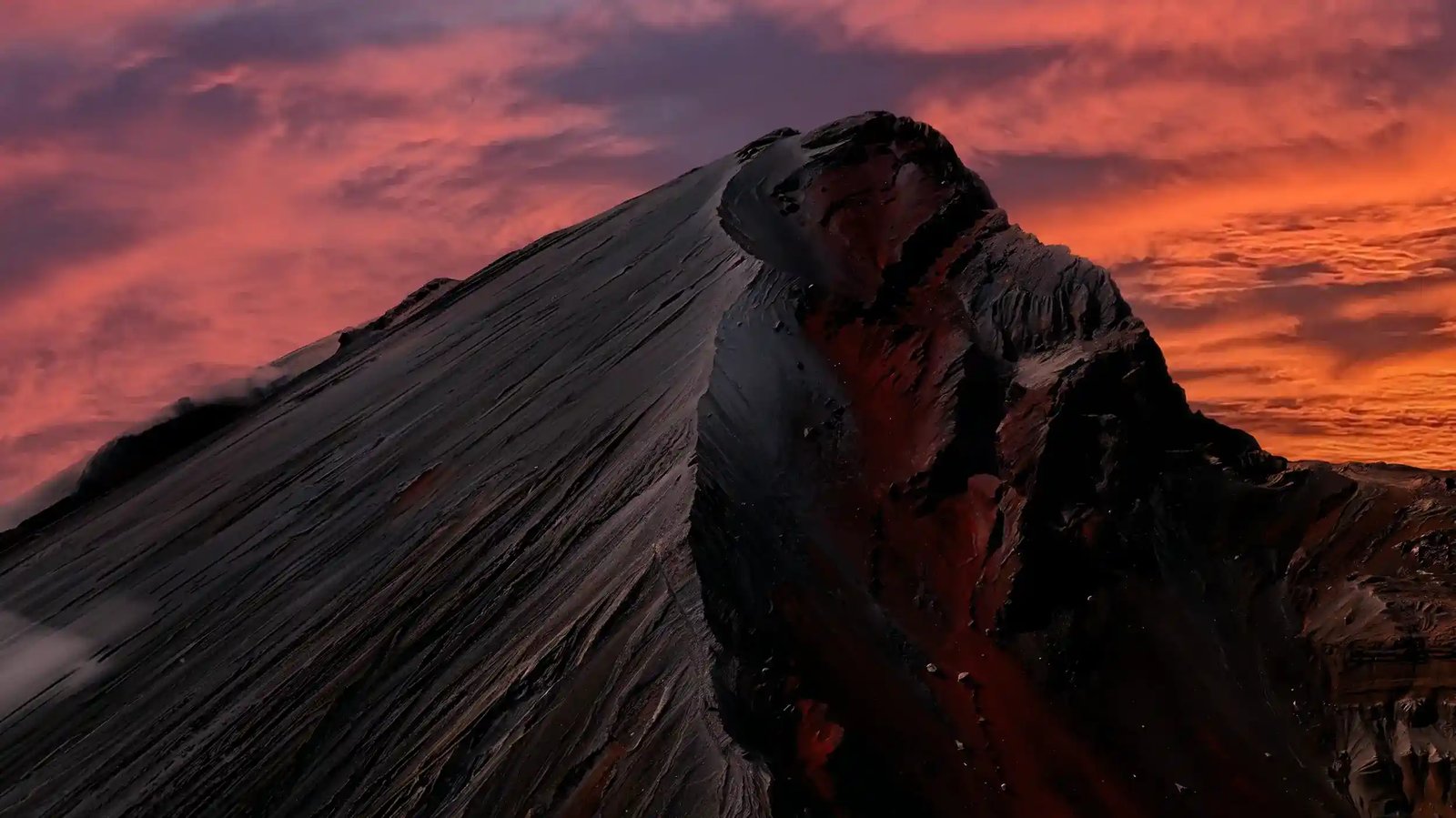
Ask anyone who’s done Mount Rinjani, and they’ll almost universally say the same thing: the summit push. Not the whole trek. Just those two to three hours of climbing loose volcanic scree in freezing temperatures, starting at 2:00 or 3:00 AM, often in wind and darkness, after a day of hard trekking and a night of cold, uncomfortable sleep. It’s not just physically hard. It’s mentally exhausting in a way that surprises almost everyone.
The scree means every step forward costs twice the energy. You can see the summit getting closer agonizingly slowly. And your body is cold, tired, and questioning why you’re doing this. But the summit push isn’t the only hard part. The descent is brutal on knees and joints, especially the long downhill from the crater rim back to the villages.
Trekkers who handled the uphill fine often find themselves in more pain on the way down. The cold nights are another underestimated challenge. Sleeping in a tent at 2,600 meters when temperatures drop below freezing isn’t restful. You wake up stiff, cold, and less recovered than you’d like to be for the hardest day.
And the altitude, while not extreme, is enough to cause headaches and nausea in some trekkers, which makes everything harder. At Lombok-Indonesia.org, we tell clients that the hardest part varies by person. For some, it’s the physical summit push. For others, it’s the mental game of getting out of a warm sleeping bag at 2:00 AM.
For others still, it’s the social challenge of maintaining morale when everyone around you is suffering. Our guides are trained to help with all of these. They know when to push, when to encourage, when to tell a joke, and when to let someone sit down for five minutes. The hardest part becomes manageable when you’re not facing it alone.