 +62 859-2375-1379
 reservations@lombok-indonesia.org



 English
 العربية
 简体中文
 繁體中文
 Dansk
 Nederlands
 Français
 Deutsch
 हिन्दी
 Indonesia
 日本語
 한국어
 Melayu
 Polski
 Slovenščina
 Español
 ไทย
 Türkçe
 Українська
 Русский
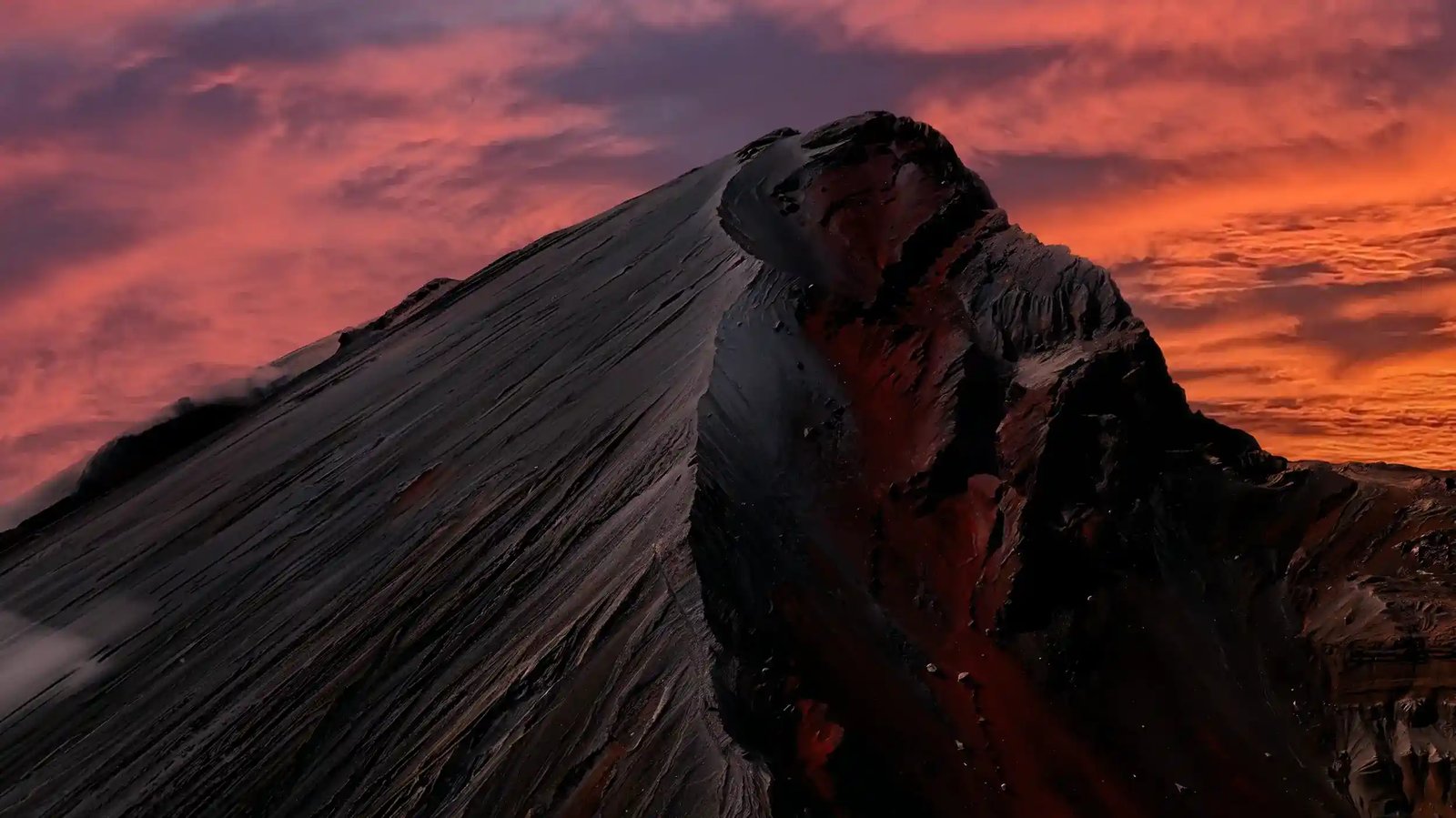
Yes, altitude sickness is possible on Mount Rinjani, though it’s usually mild at 3,726 meters compared to higher peaks. Most trekkers won’t experience serious altitude sickness, but symptoms like headaches, mild nausea, fatigue, and shortness of breath are fairly common, especially during the summit push. The risk is higher if you ascend too quickly without proper acclimatization, which is one reason we recommend the 3D2N Full Experience package over the compressed 2D1N Summit for trekkers concerned about altitude. The summit of Rinjani is technically below the threshold where severe altitude sickness becomes common, which is generally considered to start around 3,500 to 4,000 meters for most people. But individual susceptibility varies enormously.
Some people get headaches at 2,500 meters. Others feel fine at 4,000 meters. Factors like your rate of ascent, hydration level, sleep quality, and whether you’ve been at altitude recently all play a role. Dehydration makes altitude symptoms worse, and many trekkers don’t drink enough at altitude because they don’t feel thirsty. Our guides at Lombok-Indonesia.org are trained to recognize altitude sickness symptoms early.
They monitor clients for headaches, dizziness, nausea, and unusual fatigue. If symptoms are mild, rest, hydration, and a slower pace often resolve them. If symptoms worsen, the treatment is descent, and our guides don’t hesitate to make that call. The good news is that on Rinjani, descent is always possible within a few hours, which makes serious altitude complications very unlikely with professional guidance.