 +62 859-2375-1379
 reservations@lombok-indonesia.org



 English
 العربية
 简体中文
 繁體中文
 Dansk
 Nederlands
 Français
 Deutsch
 हिन्दी
 Indonesia
 日本語
 한국어
 Melayu
 Polski
 Slovenščina
 Español
 ไทย
 Türkçe
 Українська
 Русский
People with asthma can potentially climb Rinjani, but please don’t take this lightly or make assumptions based on how well you normally feel at sea level. You need a real conversation with your doctor first, and you need to be brutally honest about how well controlled your asthma actually is day to day.
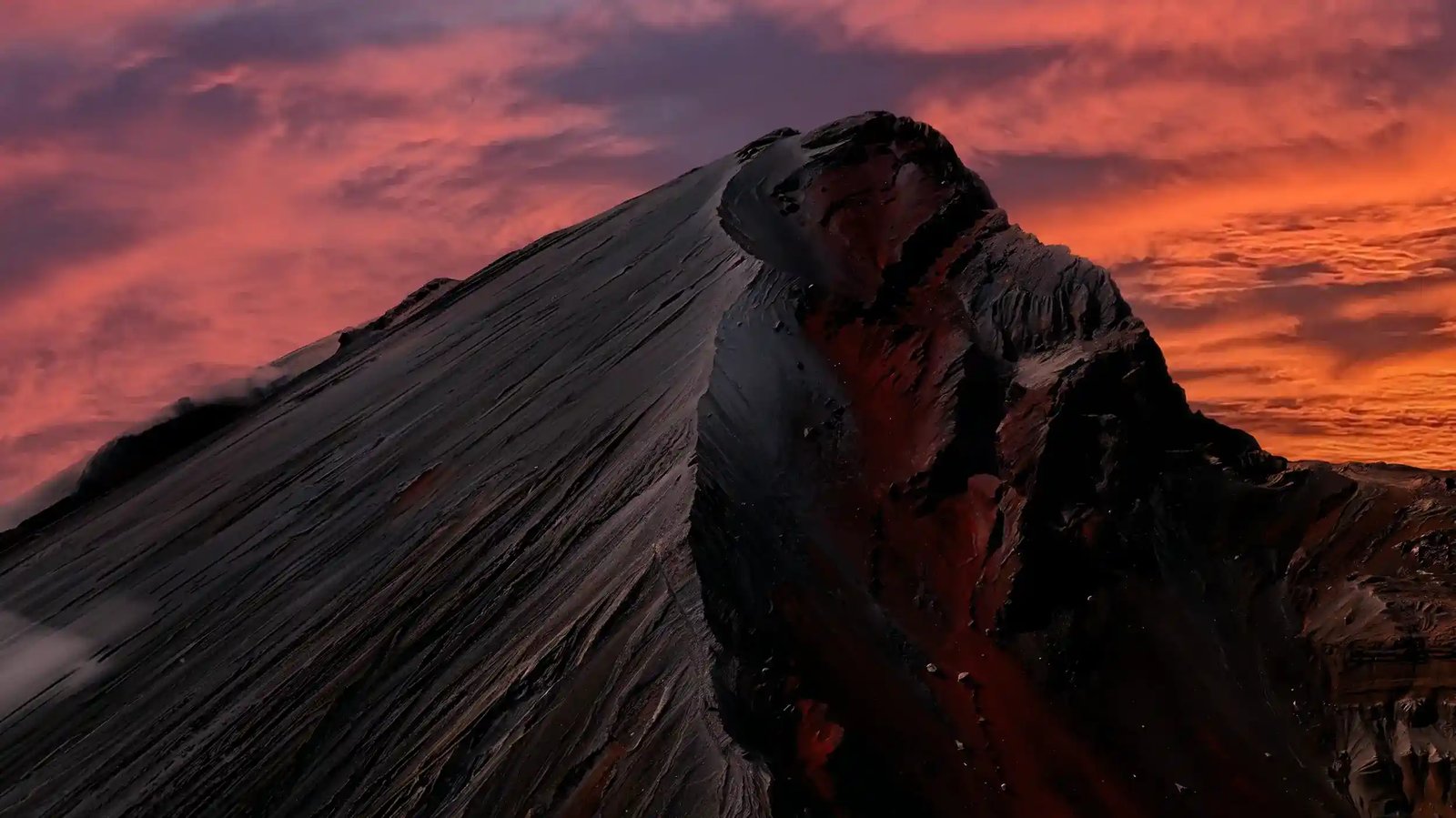
At 3,726 meters, the air is noticeably thinner and your lungs have to work harder for every single breath. That sustained exertion on steep uphill sections, especially during the freezing 2 to 3 AM summit push, can trigger symptoms even in people whose asthma is normally very well-controlled at home. Cold air is a known trigger for many asthmatics, and summit morning is nothing but cold air hitting your lungs for hours.
If your doctor clears you for this kind of expedition, come prepared with more medication than you think you’ll need. Make sure your travel companions and guide know about your condition, where your inhaler is, and what your typical symptoms look like. The 3D2N Full Experience package gives you more time to acclimatize and recover between demanding days, which reduces overall respiratory stress compared to the rushed and compressed 2D1N option.
Lombok-Indonesia.org has guided asthmatic trekkers who did absolutely fine with proper preparation and realistic pacing. We’ve also had others who needed to turn back when symptoms flared beyond what medication could manage at altitude. The key is honest self-assessment, proper medical guidance, and solid preparation. Not wishful thinking. Your lungs don’t care about your determination. They care about oxygen, and there’s less of it available up there.