 +62 859-2375-1379
 reservations@lombok-indonesia.org



 English
 العربية
 简体中文
 繁體中文
 Dansk
 Nederlands
 Français
 Deutsch
 हिन्दी
 Indonesia
 日本語
 한국어
 Melayu
 Polski
 Slovenščina
 Español
 ไทย
 Türkçe
 Українська
 Русский
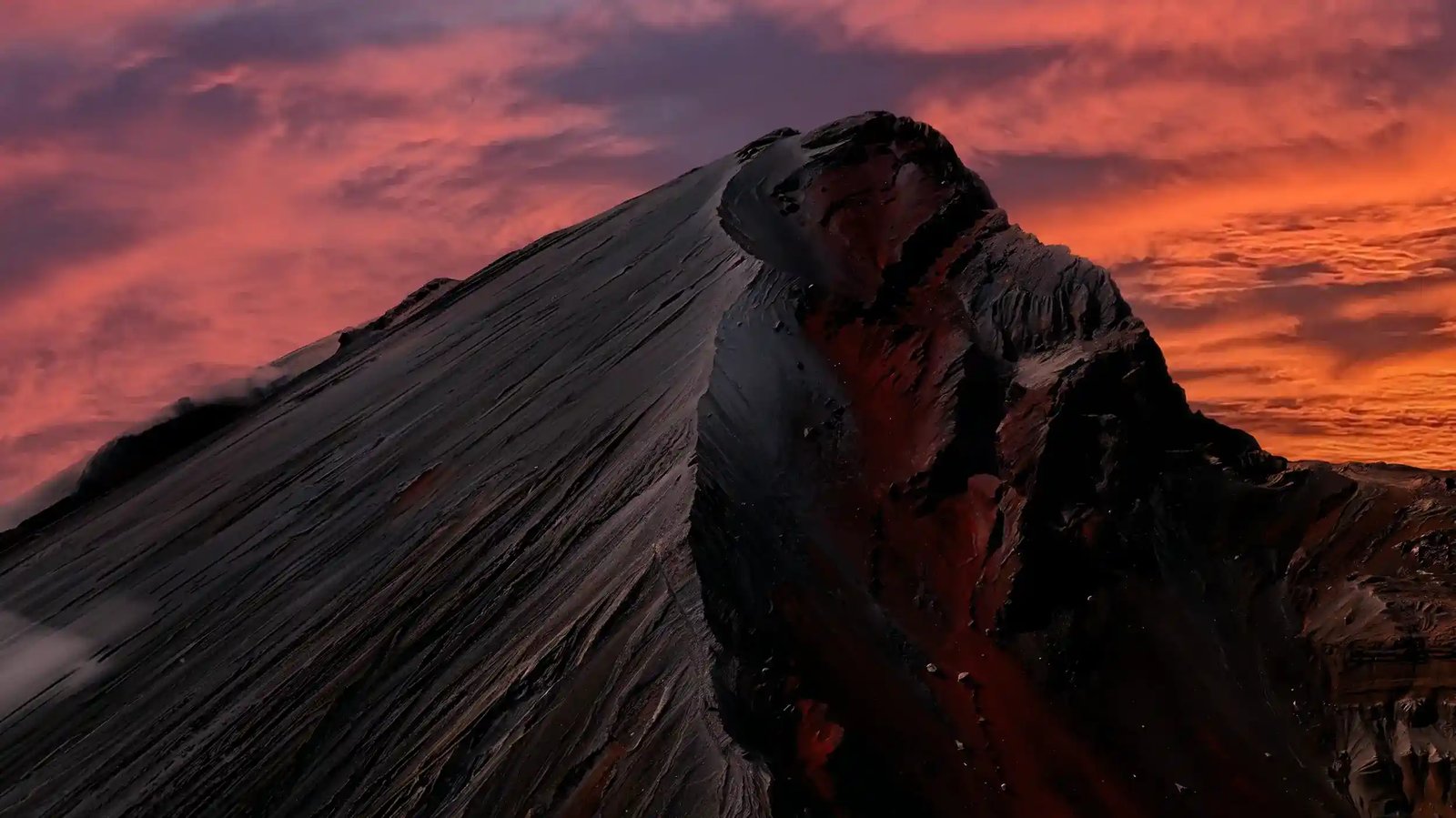
The best way to avoid altitude sickness on Rinjani is to take it slow and drink water like it’s your job. Honestly, 3,726 meters is high enough to feel it, but it’s not extreme altitude territory. Most people who get sick rushed the climb or didn’t hydrate enough, and both of those are completely within your control. Our guides at Lombok-Indonesia.org control the pace for a reason. They don’t let groups race uphill because that invites headaches and nausea. Drink steadily throughout the day, don’t wait until you’re thirsty, and eat the meals the porters prepare even if your appetite dips a bit. Skipping food because you don’t feel like eating only makes altitude symptoms worse.
If you know you’re sensitive to elevation, the 3D2N package is your friend. That extra night at the crater rim lets your body adjust naturally before the brutal summit push. Some folks also spend an extra night at our Senaru homestay beforehand, which helps. Warm meals and boiled water at camp also keep altitude-related discomfort at bay.
Perhaps most importantly, communicate openly with your guide the moment you feel unusual fatigue, dizziness, or a persistent headache. Our guides have led thousands of trekkers and can tell the difference between normal exertion and early altitude sickness. They’ll adjust the plan rather than let you push through symptoms that could worsen.
Bottom line: slow pace, steady hydration, eat your meals, and speak up early. Altitude sickness on Rinjani is preventable for the vast majority of trekkers who follow these simple habits.