 +62 859-2375-1379
 reservations@lombok-indonesia.org



 English
 العربية
 简体中文
 繁體中文
 Dansk
 Nederlands
 Français
 Deutsch
 हिन्दी
 Indonesia
 日本語
 한국어
 Melayu
 Polski
 Slovenščina
 Español
 ไทย
 Türkçe
 Українська
 Русский
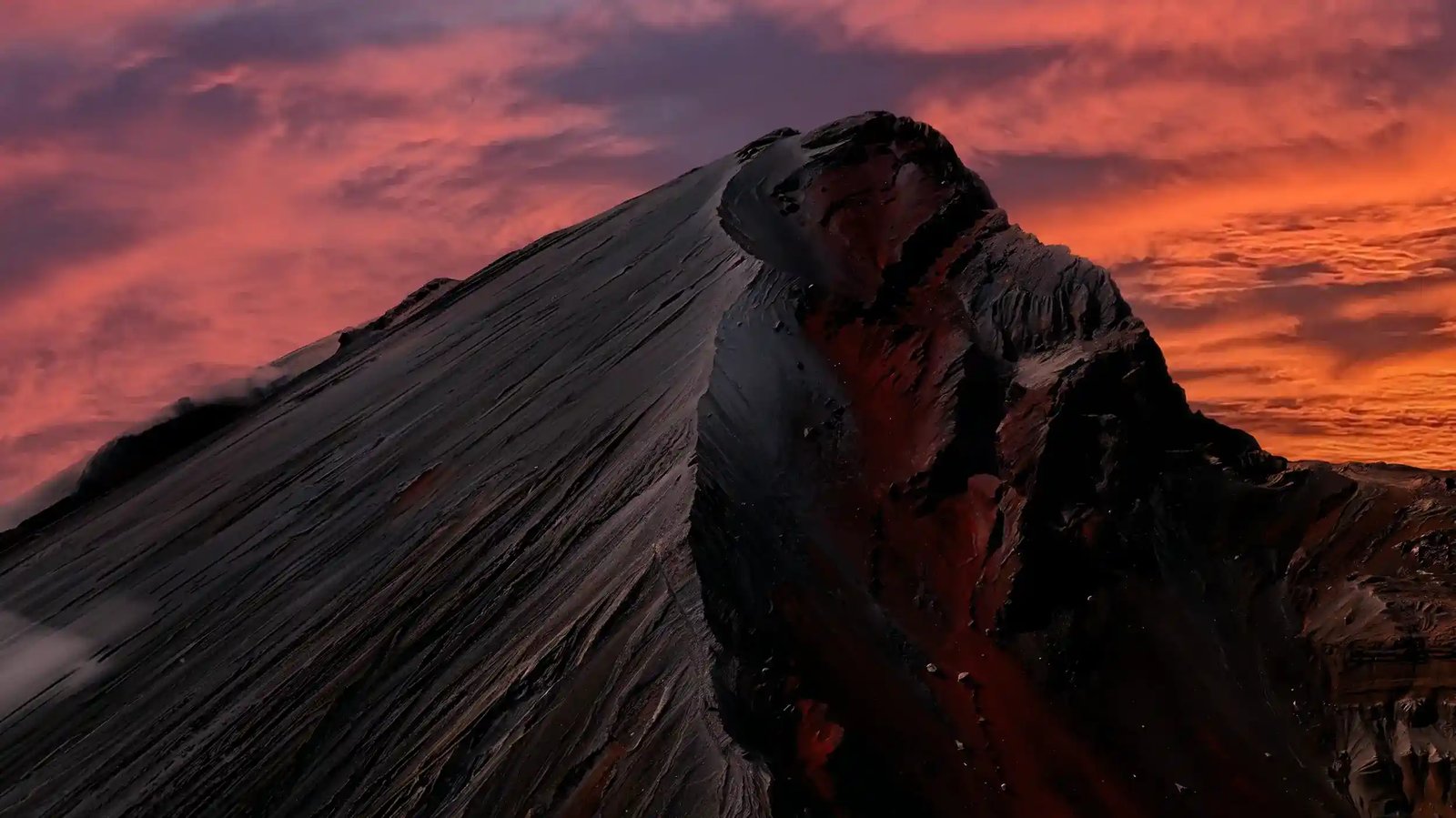
Look, sunburn on Rinjani is almost guaranteed if you’re not properly protected, and it catches first-timers off guard every single time. The sun up there is way stronger than at sea level because there’s less atmosphere filtering the UV. By the time you’re at the crater rim around 2,600 meters, and definitely at the 3,726-meter summit, you’re getting hit hard. Your skin has no idea what’s coming.
The pale volcanic rock reflects sunlight back up at you from below, so you’re basically getting baked from every angle. At Lombok-Indonesia.org, the team always tells trekkers to apply high-SPF sunscreen before starting and reapply during rest stops. Face, ears, neck, and the backs of your hands are the spots people forget. A wide-brimmed hat or cap with a neck flap helps a ton, and UV-protective sunglasses are a must.
Many trekkers make the mistake of assuming cloud cover offers protection, but on Rinjani, clouds can disappear within minutes, leaving you exposed when you least expect it. The weather changes that fast. One minute you’re in mist, the next you’re under direct tropical sun at altitude.
Sunburn at altitude isn’t just uncomfortable. It accelerates dehydration and can leave you feverish and sleeping poorly at camp, which directly affects your summit attempt. Treat sun protection as essential gear, right alongside your headlamp and warm layers. Your future self will thank you when you’re not lying in your tent feeling like a lobster while everyone else is rested for the morning push.
If you burn easily, pack aloe vera gel or after-sun lotion in your day pack. It weighs nothing and feels amazing after a long day on the mountain.