 +62 859-2375-1379
 reservations@lombok-indonesia.org



 English
 العربية
 简体中文
 繁體中文
 Dansk
 Nederlands
 Français
 Deutsch
 हिन्दी
 Indonesia
 日本語
 한국어
 Melayu
 Polski
 Slovenščina
 Español
 ไทย
 Türkçe
 Українська
 Русский
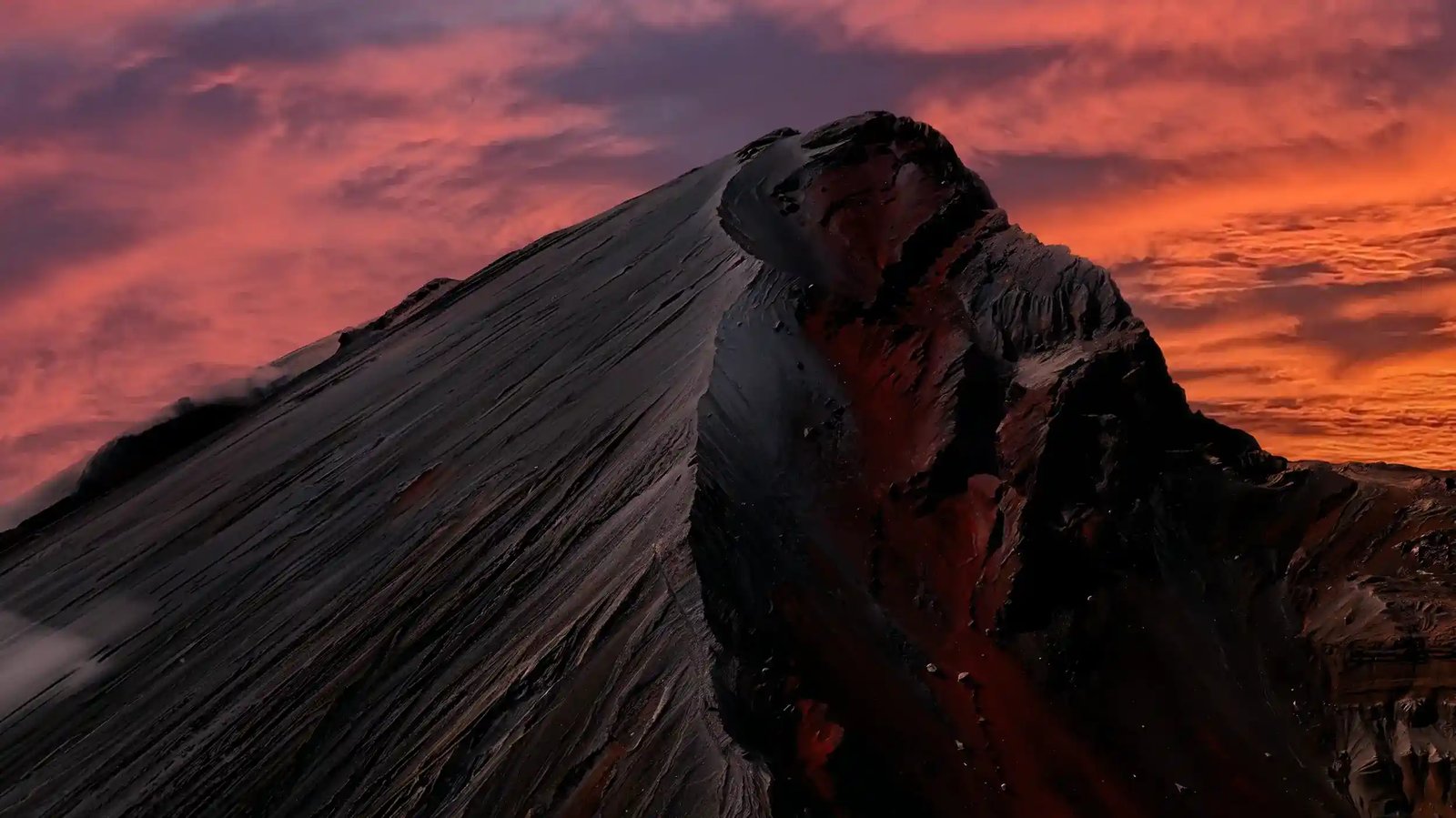
For many trekkers, yeah. Descending Rinjani feels harder because the physical challenge shifts from cardiovascular effort to joint fatigue and the mental grind of repetitive downhill movement. The psychological boost of reaching the summit gets replaced by the long, weary knowledge that hours of hiking remain. The ascent builds slowly through forest and savannah, with clear milestones, changing scenery, and the excitement of reaching camp. The descent is a continuous, repetitive pounding on your knees, ankles, and toes that accumulates with every step and seems to stretch forever.
Volcanic scree and loose gravel make it worse because your feet slide and shift unpredictably beneath you. Stabilizing muscles work overtime in ways they didn’t during the controlled upward push. That said, the descent requires less lung-busting aerobic effort than the summit push. So whether it feels harder depends entirely on whether your individual body is more vulnerable to joint pain or cardiovascular strain.
Our guides at Lombok-Indonesia.org build frequent rest stops into the descent and actively encourage trekkers to use trekking poles, which can transform the experience from a painful slog into a manageable downhill walk by sharing the load between your legs and your arms.
The 3D2N itinerary also softens the descent significantly by breaking it into shorter segments with a more relaxed schedule and additional rest. Your muscles get time to recover between days of downhill walking. Choosing the longer package is one of the best investments you can make if you’re concerned about how your knees will handle the punishment.