 +62 859-2375-1379
 reservations@lombok-indonesia.org



 English
 العربية
 简体中文
 繁體中文
 Dansk
 Nederlands
 Français
 Deutsch
 हिन्दी
 Indonesia
 日本語
 한국어
 Melayu
 Polski
 Slovenščina
 Español
 ไทย
 Türkçe
 Українська
 Русский
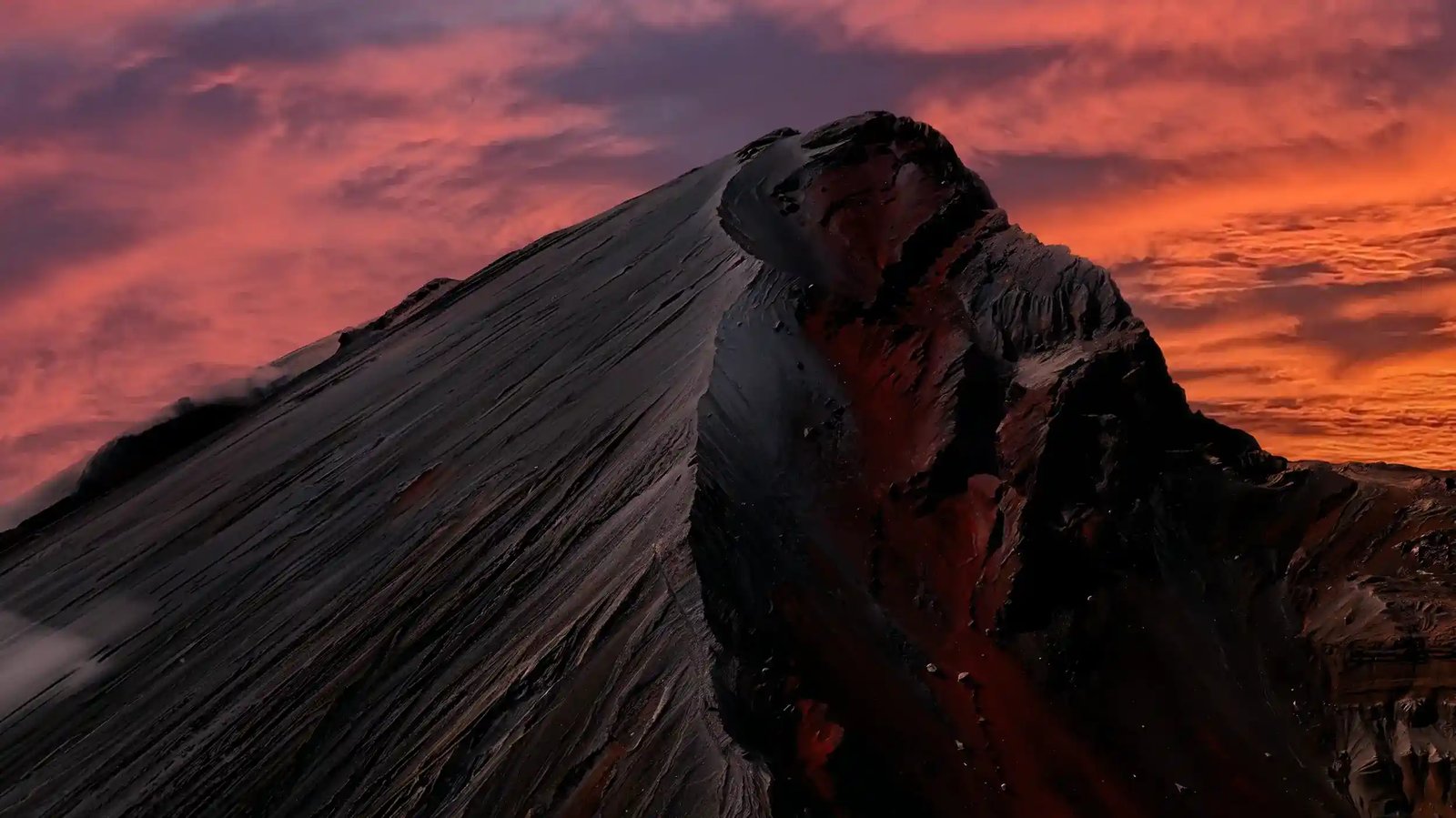
It’s rough on the knees, no sugarcoating that. Going downhill on steep volcanic terrain for hours places sustained load on your muscles in a pattern that flat-ground training and road running rarely prepare you for. Your quads, knees, and ankles will feel it.
From the summit, the descent begins with the same loose scree you climbed in darkness, only now the headlamps are off and you can see exactly how steep and exposed the slope is. The repeated impact of each downward step accumulates fatigue rapidly in the quadriceps as they work to control your speed. After returning to camp for breakfast and packing up, the trail continues down through volcanic ridges and forest paths that can be slippery after rain. Some sections require careful foot placement and deliberate balance.
Trekking poles are strongly recommended because they absorb impact, improve stability on loose surfaces, and reduce strain on your knee joints by distributing effort to your arms and upper body, which are relatively fresh after the summit push. Our porters at Lombok-Indonesia.org descend quickly with heavy loads balanced on their shoulders, but don’t try to match their pace. They’ve been walking these trails since childhood and their bodies are adapted to the terrain.
By the final hours, many trekkers find the descent more mentally challenging than the ascent. The adrenaline and the goal of reaching the summit have worn off, replaced by the long, grinding knowledge that you still have hours of hiking ahead before you reach the trailhead and a hot shower. Take your time, rest when needed, and let your body recover.